If you’ve ever priced up angle iron from more than one supplier, you’ll know the numbers can vary more than expected. Two pieces that look almost identical on paper can come back with very different prices.
That’s because the cost of angle iron isn’t based on one factor alone. Size, thickness, grade, finish, length and even how it’s supplied all play a part.
Across the UK steel supply chain, angle iron is priced primarily by weight and availability, with specification and processing determining the final cost. Understanding what actually drives the price makes it much easier to compare quotes and avoid paying more than you need to.
Angle iron is priced primarily on the amount of steel involved, but that’s only part of the story. Availability, processing and handling also influence the final figure. A common, widely stocked size will usually cost less per metre than a specialist section that needs cutting or sourcing specifically. The more “non-standard” the order becomes, the more the price tends to creep up.
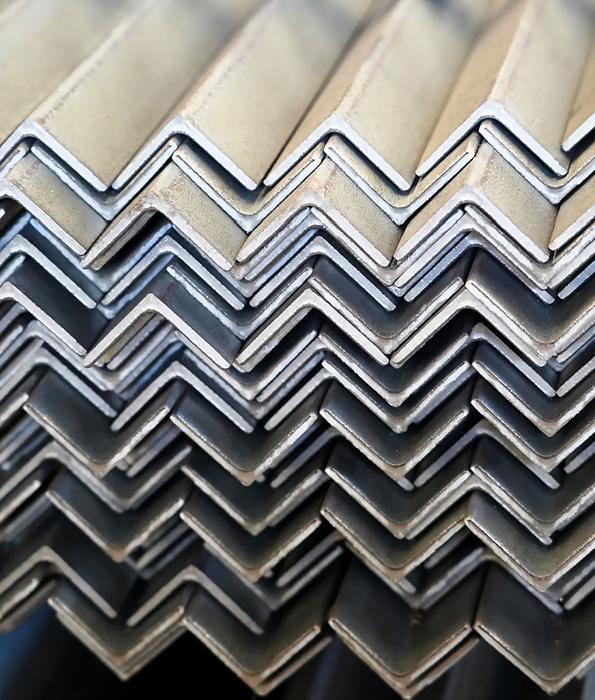
Every angle iron price starts with the core specification. This includes the leg size, thickness, grade, length and finish. Each of these elements adds cost in a different way, and changing just one of them can shift the price noticeably.
Leg size and thickness determine how much material is in the section. Grade affects strength and sometimes availability. Length and finish influence handling, processing and corrosion resistance. When prices differ, it’s usually because one or more of these details isn’t quite the same.
Size and thickness are the most significant factors in angle iron pricing. Put simply, more steel means more cost. Increasing thickness often raises the price faster than increasing leg size, as thickness adds weight across the entire section.
A small increase in thickness can make a big difference to price per metre, especially on longer lengths. This is why two angles with the same leg dimensions but different thicknesses can be priced surprisingly far apart. If cost matters, it’s worth checking whether a slightly thinner section will still meet the needs of the job.
Mild steel angle iron is commonly supplied in grades such as S235, S275 and S355. Higher grades can cost more, but the difference isn’t always dramatic. In fact, S275 is often the most competitively priced simply because it’s the most widely stocked.
S355 may carry a premium, particularly if it needs to be sourced rather than taken from stock. For many projects, paying extra for a higher grade doesn’t provide any real benefit, which is why sticking to common grades can help keep costs down.
Angle iron is usually supplied in standard stock lengths, often 6 metres. Buying full lengths might seem like the cheapest option per metre, as it avoids cutting charges and reduces handling time. However, The Metal Store offers free cutting on mild steel angle iron, so you can get the right size for the job at no extra cost.
In fact, you’ll save money because we only charge for the exact amount you need. So, no paying for offcuts.
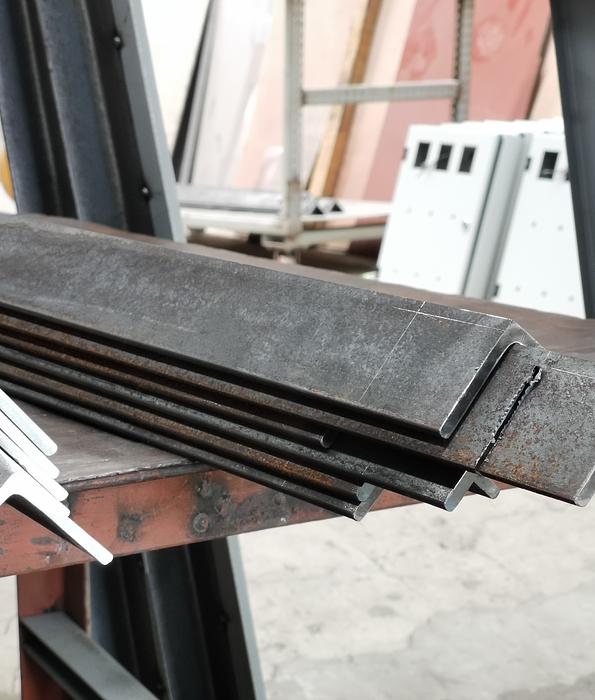
Finish has a noticeable impact on price. Untreated mild steel angle iron is the cheapest option, but it offers no corrosion protection. Primed or painted options add a small premium, mainly due to processing.
Galvanised angle iron costs more again, reflecting the additional treatment and durability.
Stainless steel angle iron sits at the top end of the price range, as the raw material itself is significantly more expensive. Choosing the right finish for the environment, rather than defaulting to the most durable option, can help control costs.
Not all angle iron is sold to the same standards. Tighter tolerances, consistent finish and certified material all add value and, in some cases, cost. Structural projects may require mill test certificates or compliance with specific standards, which can push prices up.
For general fabrication or
DIY work, these extras are often unnecessary. Buying standard commercial-grade angle iron without additional paperwork is usually more cost-effective.
Where you buy angle iron matters. Local steel stockholders often offer competitive prices on common sizes, especially if you’re collecting in person. Buying online makes it easier to compare prices, but you should always check delivery charges. It’s worth noting that we offer free delivery on orders over £150 (ex VAT) to England and Wales, and over £250 (ex VAT) to central Scotland.
Order size also plays a role. Small quantities tend to attract higher per-metre prices, while bulk orders often benefit from discounts. With us, you’ll get 10% off all orders over £2,000 (ex VAT). Of course, over-ordering just to secure a lower unit price isn’t always the best move if excess material goes unused.
When comparing prices, it’s important to check that you’re comparing like for like. Confirm the grade, thickness, leg size, length and finish. Check whether cutting, delivery and VAT are included, and whether certification is part of the quote.
A slightly higher headline price can sometimes represent better value once all costs are accounted for.
The easiest way to manage angle iron costs is to stick to common sizes, standard grades and stock lengths wherever possible. Only pay for higher grades, special finishes or cut-to-size services when the project genuinely requires them.
By understanding what really affects the price, you can make informed choices and get the best value without compromising on performance.
If you’re looking for clear and simple angle iron prices, visit The Metal Store. We stock mild steel angle iron in thicknesses from 3mm to 10mm with a variety of sizes and free cutting for the right length. All products have clear pricing per metre, which will be calculated exactly when you enter your chosen length.
We’ll cut it to size and send it your way with fast delivery across the UK. Couldn’t be easier.