

How to Cut Angle Iron: The Best Method for Clean, Straight Cuts

14 Dec 2025

Cutting angle iron looks simple. But getting clean, straight results takes more than just powering up a tool and hoping for the best. Crooked cuts, heavy burrs and burnt edges are all common problems, especially if the angle isn’t measured, supported or cut correctly.

This guide walks through the best methods for cutting angle iron, compares the most common tools and explains how to achieve accurate, professional-looking results every time.

1

Start with the basics: measuring and marking correctly

Most cutting problems begin before the tool is even switched on. Accurate measuring and marking are essential, particularly because angle iron has two faces that need to line up.

Use a steel rule or tape measure and mark both legs of the angle iron. A combination square is ideal here, as it helps transfer the measurement cleanly across both faces and keeps your cut line square. For angled or mitre cuts, a mitre square or adjustable bevel gauge gives more reliable results than guessing by eye.

Chalk, a paint marker or a sharp scribe all work well for marking. The main thing is visibility. If you can’t clearly see the line once sparks start flying, accuracy will suffer quickly.

2

Clamping and support: the step people skip

Angle iron should always be clamped securely before cutting. Even slight movement can cause the disc or blade to wander, leading to uneven cuts or binding.

If you’re using a bench or chop saw, make sure both legs are fully supported and sitting flush against the fence. For angle grinder work, clamp the steel to a workbench or sawhorses so it can’t vibrate or twist during the cut.

Never rely on holding the angle iron by hand. It’s unsafe and almost guarantees a poor finish.

3

Angle grinder vs chop saw: which is best?

The two most common tools for cutting angle iron are angle grinders and metal chop saws. Each has strengths and weaknesses, and the best choice depends on the job.

An angle grinder is the most versatile option. It’s affordable, widely available and capable of cutting angle iron of almost any size. With a thin cutting disc, it can produce pretty clean cuts, especially on thinner steel. However, it relies heavily on operator control. Keeping the cut straight takes practice. And it’s easier to introduce heat, burrs and uneven edges.

A metal chop saw is better for accuracy and repeatability (abrasive or cold cut is fine). Once set up, it delivers straight, square cuts with minimal effort. Cold cut saws produce less heat, fewer sparks and a much cleaner edge. The downside is cost and portability, as they’re larger and less flexible than a grinder.

For occasional DIY work, an angle grinder is usually sufficient. If you’re doing repeated cuts or precise fabrication, a chop saw is the best way to go.

4

Choosing the right cutting disc or blade

Using the wrong disc is one of the quickest ways to ruin a cut. Thin cutting discs, typically around 1mm to 1.5mm, are best for angle iron. They remove less material, generate less heat and give more control than thicker discs.

Avoid grinding discs for cutting. They’re not designed for it and increase the risk of binding or shattering. For chop saws, always use blades designed specifically for steel, and ensure they’re rated for the thickness you’re cutting.

Worn discs should be replaced early. A disc that’s past its best will wander, overheat and leave a rough finish.

5

The cutting technique that makes the difference

When you’re cutting angle iron, let the tool do the work. Excessive pressure causes heat build-up and increases the chance of burning or burring the edge.

With an angle grinder, start the cut gently to establish a groove along your line. Once the groove’s set, follow it steadily without forcing the disc. Cutting one leg first and then the other often helps maintain control, rather than trying to cut through both faces at once.

For chop saws, allow the blade to reach full speed before lowering it into the cut. Maintain a smooth, even feed rate and avoid stopping mid-cut unless necessary.

6

How to stop angle iron from burring and burning

Burrs form when material is plastically deformed or torn rather than cleanly cut. Heat makes this worse, which is why thin discs and steady pressure matter so much.

Keeping the cut straight reduces burrs, as twisting or wandering pulls metal away unevenly. Cold cut saws naturally minimise burring due to lower temperatures, but good technique with an angle grinder can still produce clean results.

After cutting, light burring is normal and easily removed. A flap disc, grinding wheel or hand file will clean the edge quickly. Running the tool lightly along the edge rather than digging in gives the best finish.

7

Cutting angle iron at 45 degrees and other angles

Mitre cuts are where accuracy really matters. Measure and mark both legs carefully, ensuring the angle lines meet cleanly at the corner.

Chop saws with adjustable mitre settings excel here, as they lock the angle in place. With an angle grinder, extra care is needed. Cutting slightly outside the line and finishing back to it with a grinder often produces better results than trying to hit the angle perfectly in one pass.

Take your time. Rushing angled cuts almost always shows in the finished joint.

8

Safety essentials you shouldn’t ignore

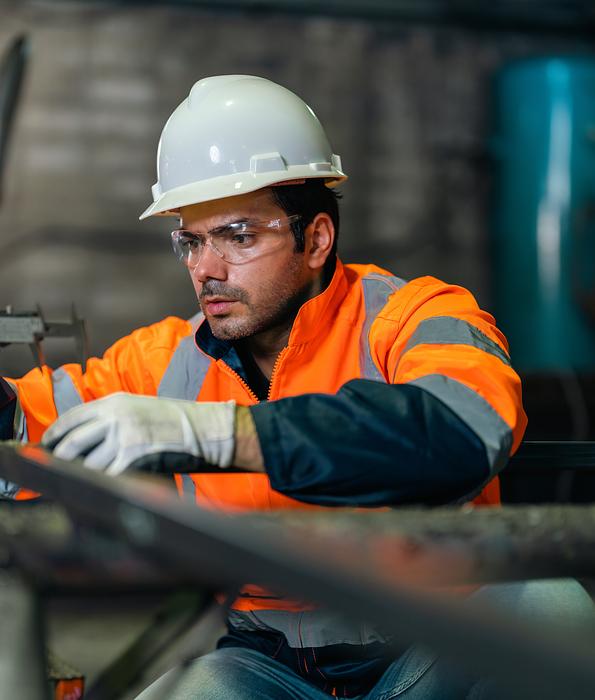
Cutting angle iron produces sparks, heat and sharp edges. Eye protection is non-negotiable, and gloves help protect against sharp burrs once the cut is complete. Hearing protection is also recommended, particularly with chop saws.

Keep flammable materials clear of the cutting area and be aware of where sparks are travelling. Always allow freshly cut steel to cool before handling, as it can stay hot longer than expected.

We’ve also covered these in our guide to cutting sheet metal.

9

Finishing the cut for a professional result

A clean cut doesn’t end when the tool stops. Deburring and smoothing the edge improves both appearance and safety.

Use a flap disc or file to break sharp edges and remove any remaining burrs. If the angle iron will be welded, lightly cleaning the cut edge also improves weld quality.

Taking a few extra minutes here makes a noticeable difference to the final result.

Getting clean, straight cuts every time

The best method for cutting angle iron combines the right tool, proper setup and a controlled cutting technique. Measure carefully, clamp securely, choose the correct disc or blade and avoid forcing the cut. Whether you’re using an angle grinder or a chop saw, these fundamentals stay the same and will help you achieve straight, clean cuts that look as good as they perform.

If you’d rather skip the cutting altogether, The Metal Store can thanks to our unlimited free cutting service. We’ll cut your angle iron to size before sending it your way. And you’ll only be charged for the amount you need, rather than any offcuts. Sound good? Order online today for fast delivery across the UK.
Related articles

If you’re not sure what you need,
then we’re just a call away
01274 875479