



Round Bar vs Square Bar: What’s the Difference?
15 Jan 2026




Round bar. Square bar. Both solid bits of metal. Both used every day in workshops, factories and building sites across the UK. But while they might look similar on paper, there’s more to them than meets the eye.
Article in Brief
Round and square bars are solid metal sections used in everything from fabrication to machining.
Round bar offers even strength and is ideal for shafts and supports.
Square bar provides rigidity and flat edges for brackets and frameworks.
Both are available in mild steel, stainless steel and aluminium — all cut to size and delivered fast by The Metal Store.
What are round and square bars?
Round bar
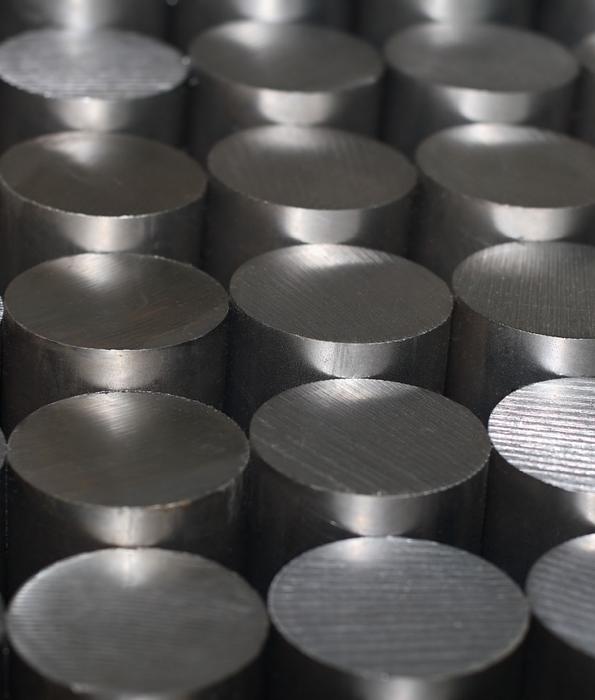
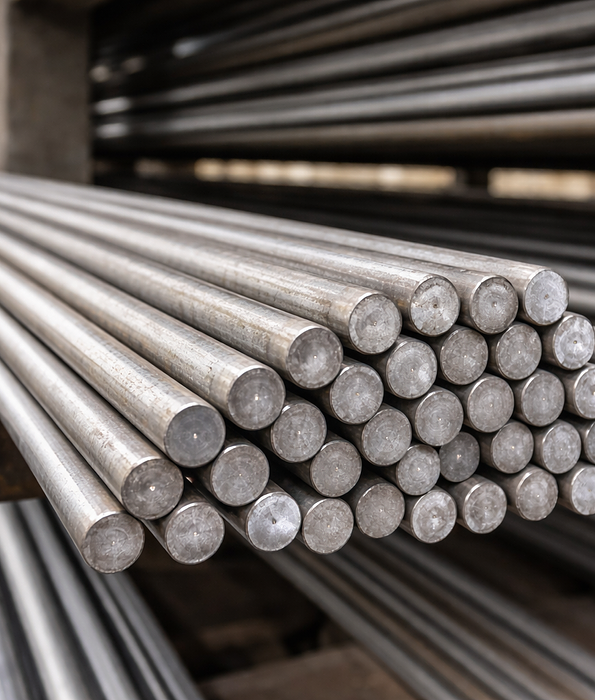
Round bar is exactly what it sounds like. It’s a solid, circular section of metal. This is one of the most versatile shapes in the trade, used in everything from structural supports to machine parts.
Square bar
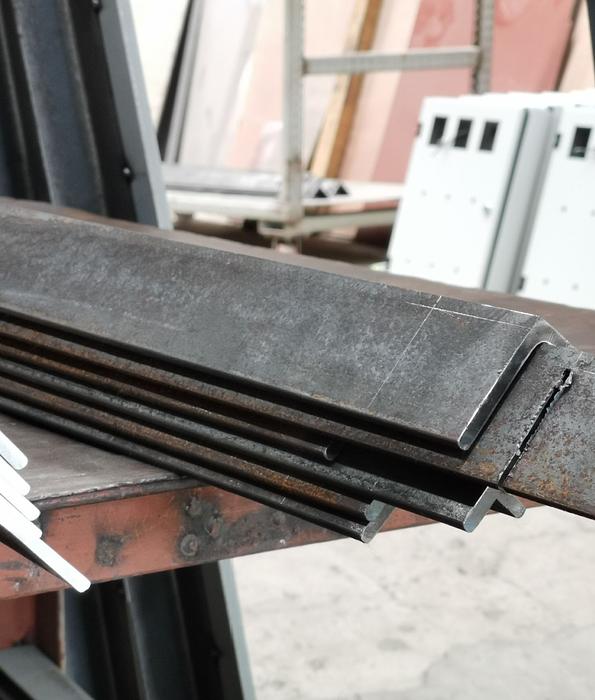
Square bar is a solid four-sided section with right-angled corners. It’s strong, easy to clamp and ideal for projects that need clean edges or rigid frames. Think brackets, tool jigs or railings.
Shape and strength
- Round bar distributes stress evenly around its cross-section. That means it performs brilliantly in tension, torsion and rotational use. Perfect for axles, spindles and shafts.
- Square bar resists bending better along its flat sides, giving it more directional rigidity. That’s why it’s a favourite for frameworks, supports and brackets where flat contact surfaces are needed.
Machining and fabrication
- Round bar is ideal for turning and shaping on a lathe. It’s easy to rotate, smooth to feed and perfect for precision machining.
- Square bar is easier to clamp and hold steady. Its flat sides make it a dream for milling, drilling or cutting with saws and presses.
Surface finish and tolerances
- Hot rolled (black): Produced at high temperatures, giving a darker surface known as mill scale. Strong, weldable and cost-effective.
- Cold drawn (bright): Pulled through dies at room temperature, giving a smoother surface and tighter tolerances. Ideal for machining or visible components.
Applications: where each works best
Round bar
You’ll find round bar in just about every workshop and factory. Typical uses include:
- Shafts, axles and spindles.
- Reinforcing rods and pins.
- Machined components or turned parts.
- Decorative and structural features.
Square bar
Square bar tends to show up in heavier, structural or more geometric builds:
- Frameworks, brackets and supports.
- Gates, fences and railings.
- Tooling and fixtures.
- Jigs, clamping plates and reinforcement work.
Material choices
- Mild steel: The everyday workhorse. It’s easy to cut, weld and shape. Ideal for general fabrication.
- Stainless steel: Corrosion-resistant, strong and great for outdoor or hygienic environments.
- Aluminium: Lightweight, easy to machine and resistant to rust. Great for transport or decorative work.
Don’t forget cost
How to choose the right bar for your project
If you need… | Choose… | Why
Rotation, turning or smooth movement | Round bar | Even stress and easy to machine
Strength in one direction or flat surfaces | Square bar | Rigid and easy to clamp or weld
Decorative finish or curved shapes | Round bar | Clean, sleek look
Frames, supports or corners | Square bar | Flat edges for structure and support.
Stock and supply at The Metal Store
We supply a massive range of mild steel round bar and square bar, as well as having options in stainless steel, bright mild steel and aluminium.
Whether you’re building a frame, fabricating machinery or just need reliable stock for the workshop, we’ve got the bar for the job.
Each bar can be cut to your exact size for free and we’ll get it to your site fast, anywhere in the UK.
Browse our full range or give us a ring on 01274 875 479 for expert advice.
FAQs
Which is stronger, round or square bar?
It depends on how it’s used. Round bar handles tension and rotation better, while square bar resists bending and shear along flat planes.
Can I machine both round and square bar?
Yes. Round bar is ideal for lathes; square bar is great for milling and fabrication. Both can be cut, drilled and welded easily.
Why is square bar sometimes heavier than round bar?
Because it has more material per metre. The corners add extra metal, increasing its weight and rigidity.
Do both come in bright and black finishes?
Yes. You can get both shapes in hot rolled (black) or cold drawn (bright) versions, depending on whether you need strength or precision.