




Scaffold Inspection Checklist: What To Check Daily, Weekly & After Bad Weather
6 minutes read
14 Apr 2026




Scaffolding is a normal part of life on construction sites. Whether you're bricklaying, installing cladding or carrying out repairs, it gives workers safe access at height. But like any temporary structure, scaffolding needs to be checked regularly to make sure it’s still safe to use.
Article in Brief
Scaffolding inspections are essential for preventing accidents and ensuring structural stability.
Scaffolds should be checked daily before use, weekly by a competent person and after storms or severe weather.
Key areas to inspect include foundations, scaffold boards, guardrails, ties, bracing and access points.
Regular inspections help prevent common hazards such as scaffold collapse, falls from height and falling tools or materials.
Why scaffold inspections are essential
- Before it’s used for the first time
- At least every seven days
- After alterations or damage
- After extreme weather conditions
Daily scaffold inspection checklist
Ground conditions and base plates
Start with the foundations.
- The scaffold is standing on stable, level ground
- Base plates are positioned correctly
- Sole boards are in place if required
- There are no signs of sinking or movement
Scaffold boards and platforms
Next, inspect the working platforms.
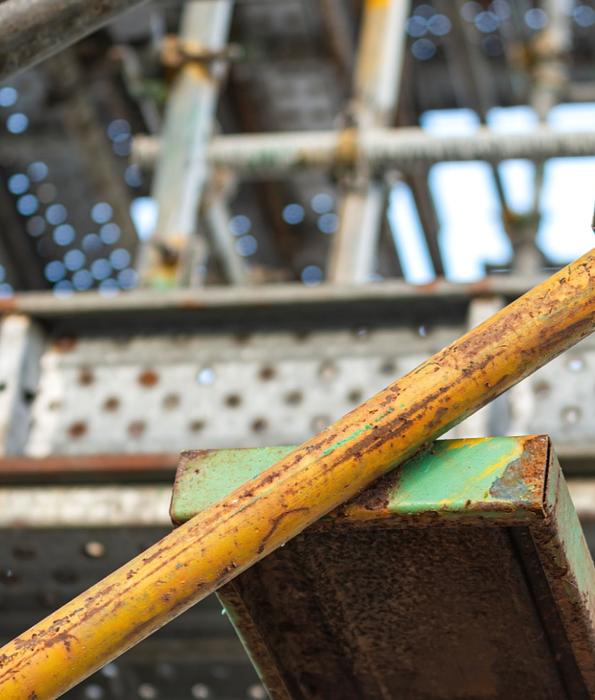
- Cracked, warped or damaged scaffold boards
- Boards that have shifted or moved
- Excessive gaps between boards
- Boards that are not properly supported
Guardrails and toe boards
Edge protection is essential for preventing falls.
- Guardrails are securely fixed
- Toe boards are present along the platform edge
- There are no missing safety components
Access points
Workers must be able to reach platforms safely.
- Ladders and ladder access points
- Ladder ties and stability
- Access routes for obstructions or debris
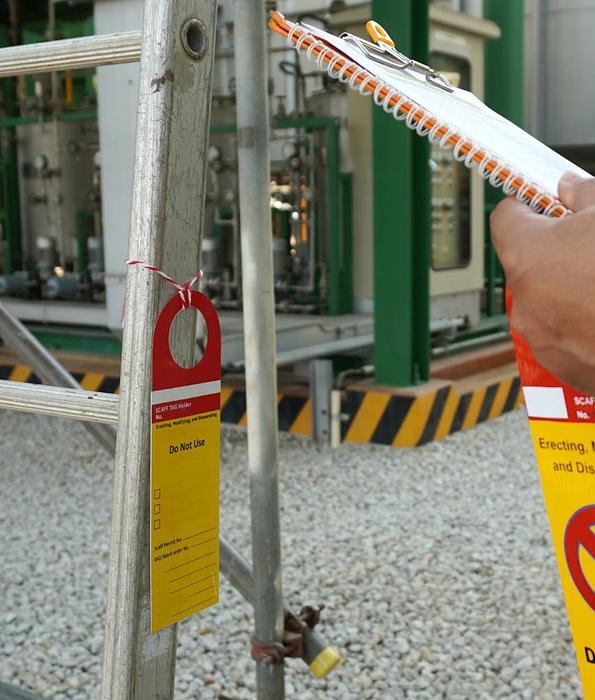
Scaffold tags
Weekly scaffold inspection checklist
Structural components
Start by inspecting the main framework.
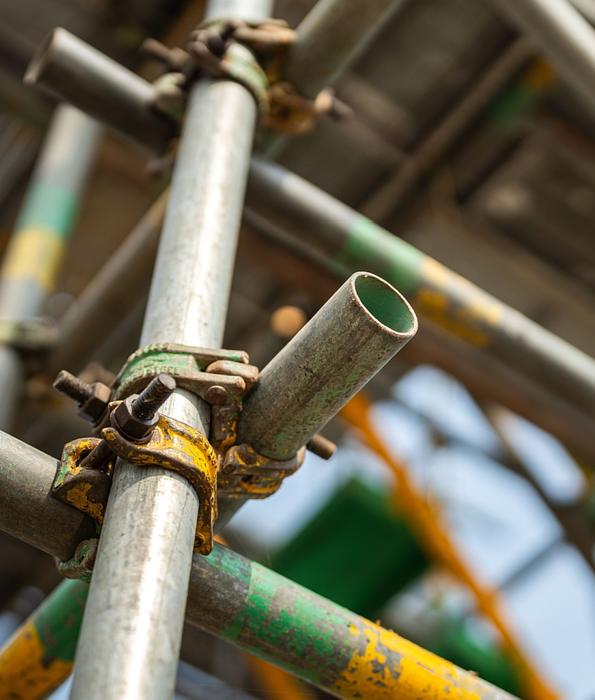
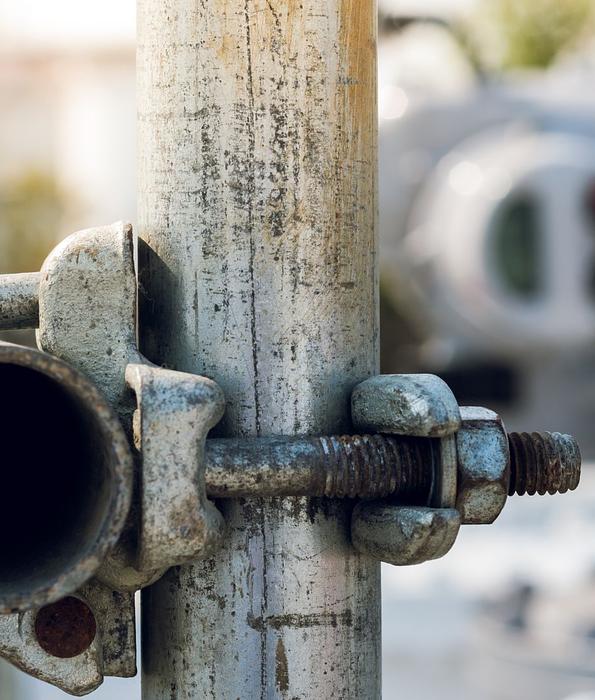
- Loose or missing fittings
- Corrosion or damage
- Bent or distorted tubes
Bracing and ties
Bracing and ties help stabilise the entire scaffold structure.
- Diagonal bracing
- Building ties
- Anchor points
Load limits
Scaffolding platforms are designed to support a specific weight.
- Platforms are not overloaded with materials
- Loads are evenly distributed
- Workers understand the scaffold’s working load limit
Safety equipment
Make sure all safety features remain in place.
- Guardrails
- Toe boards
- Safety netting
- Debris protection
Scaffold inspection checklist after bad weather
Check for structural movement
High winds can cause scaffolds to shift or lean.
Look for:
- Leaning scaffold structures
- Loose ties
- Bent tubes
- Movement in the structure
Inspect foundations
Heavy rainfall can weaken the ground beneath scaffolding.
- Base plates remain secure
- Sole boards haven’t moved
- The ground hasn’t become waterlogged
Check platforms and boards
Rain and wind can dislodge boards or create slip hazards.
Look for:
- Displaced scaffold boards
- Wet or slippery surfaces
- Debris build-up
Wind damage
Strong winds can loosen fittings and protective equipment.
- Guardrails
- Netting
- Scaffold sheeting
Common scaffold inspection mistakes to avoid
- Skipping inspections when a site is busy
- Failing to record inspection results
- Ignoring small signs of damage
- Allowing untrained workers to alter scaffolding
Order scaffolding supplies with ease
When it comes to scaffolding, safety starts with the right equipment.
At The Metal Store, we supply a wide range of scaffolding supplies to keep your projects moving safely and efficiently.
From scaffolding tube and scaffold boards to scaffold fittings, you’ll find everything you need in one place.
Better yet, we keep things simple with unlimited free cutting, fast delivery on thousands of products and bulk discounts on larger orders.
Need supplies for your next job? We’ve got it. Cut to size. Delivered fast. No faff.