

Standard Scaffolding Sizes Explained: Tube, Boards & Bay Lengths

5 minutes read

13 Mar 2026

Turn up to site with the wrong sizes and everything slows down.


Boards don’t span properly. Tubes need cutting. You’re short on fittings. What should’ve been a smooth build turns into a patchwork fix.

That’s why understanding standard scaffolding sizes matters. In the UK, there are some widely used dimensions for scaffold tube, boards and bay lengths. Stick to them and everything’s quicker, safer and simpler.

In this guide, we’ll break down standard scaffolding sizes in plain English. No overcomplication.

Articles in Brief

Standard scaffolding sizes in the UK follow common industry measurements.

Scaffold tube typically uses a fixed outside diameter and common stock lengths.

Scaffold boards have recognised standard widths, thicknesses and lengths.

Bay lengths and lift heights are usually built around practical working spans.

Using standard sizes reduces waste and speeds up erection.

Always check compatibility and load requirements before building.

1

What does “standard scaffolding size” actually mean?

When we talk about a standard scaffolding size, we mean the dimensions most commonly manufactured and used across UK sites.

They’re practical sizes that:

  • Work with common load classes
  • Fit standard couplers
  • Allow safe working platforms
  • Make transport and handling easier

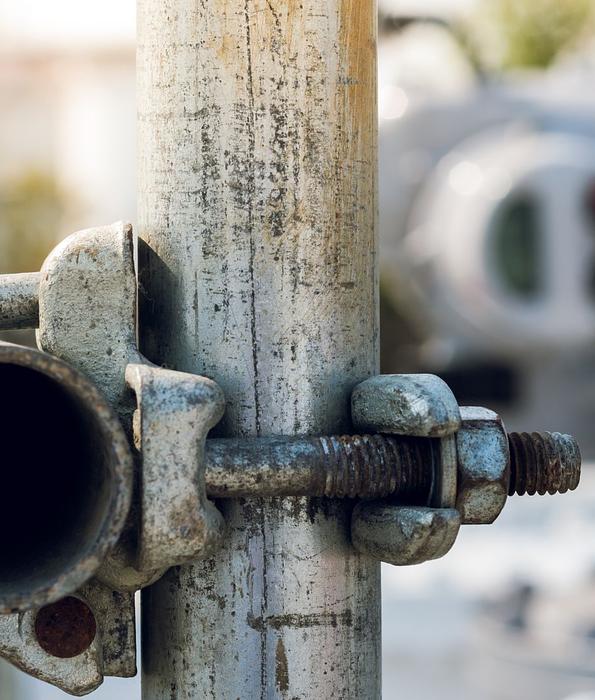
For traditional tube and fitting scaffolding in the UK, one key measurement is fixed. 48.3mm outside diameter scaffold tube is the industry norm. It’s what fittings are designed to clamp onto. And what most sites expect. This standard ensures compatibility across scaffold fittings and is widely used in accordance with UK industry practice.

System scaffolding can vary depending on the manufacturer, but tube and fitting scaffolding sticks to these standardised dimensions.

2

Standard scaffolding tube sizes in the UK

Diameter


In the UK, scaffold tube is almost always 48.3mm outside diameter.

This is critical. All your couplers, fittings and clamps are built around that size. Use anything else and you’re asking for compatibility issues.

If you’re sourcing scaffolding tube, make sure it meets this standard.

Common tube lengths


Scaffold tube comes in a range of stock lengths. The most common in the UK are:

  • 21ft (approx. 6.4m)
  • 16ft (approx. 4.8m)
  • 13ft (approx. 3.9m)
  • 10ft (approx. 3.0m)
  • 8ft (approx. 2.4m)
  • 6ft (approx. 1.8m)
  • 5ft (approx. 1.5m)

Why these lengths? Because they work with standard bay spacing and common lift heights. They’re also manageable for transport and manual handling.

Longer tubes reduce joints, while shorter tubes give flexibility. Most scaffold builds use a mix of both.

And if you need something specific? Tube can be cut to size. Just don’t compromise structural integrity or load requirements.

3

Standard scaffold board sizes

Scaffold boards are just as important as the tube. Get these wrong and your platform won’t perform properly.

Standard dimensions


In the UK, traditional timber scaffold boards are typically:

  • 225mm wide
  • 38mm thick

That’s your standard board profile. These dimensions are commonly associated with boards manufactured to BS 2482, the British Standard for timber scaffold boards.

Lengths commonly include:

  • 13ft (3.9m)
  • 10ft (3.0m)
  • 8ft (2.4m)
  • 6ft (1.8m)

The 13ft board is particularly common because it works well with typical transom spacing, allowing it to span multiple supports safely when properly supported.

If you’re looking for scaffold boards, always check grading and compliance.

Why span matters


Boards are designed to span between transoms at specific distances.

Over-span them and you increase deflection. Increase deflection and you reduce safety.

Standard scaffolding sizes are designed around safe spans and predictable loading. That’s why sticking to common dimensions makes life easier.

You’ll also see steel-banded ends on timber boards. This reduces splitting and extends lifespan.

Plastic and composite boards are available too, but traditional timber remains widely used across UK sites.

4

Standard bay lengths and lift heights

Bay lengths


A scaffold bay is the horizontal distance between standards (uprights).

In the UK, common bay lengths are typically 2.0m to 2.5m

A very common working figure is around 2.4m, as it aligns closely with standard board lengths and typical scaffold layouts.

Using standard scaffolding sizes here keeps everything modular and predictable.

Lift heights


Lift height is the vertical distance between working platforms.

A common standard lift height is around 2.0m

Why? Because it provides comfortable headroom and safe working access while maintaining structural efficiency.

These standard measurements are practical. And they’ve evolved because they work.

5

Why standard sizes matter on site

Sticking to standard scaffolding sizes gives you:

  • Faster erection
  • Simpler material calculations
  • Easier transport planning
  • Better load predictability
  • Fewer surprises

When everything matches common dimensions, scaffolders don’t have to “make it work” on the fly.

It also helps with cost control. Less cutting = less waste and fewer delays.

Keep it standard, keep it simple


Above all else, understanding standard scaffolding sizes is about building safer, faster and smarter. 48.3mm tube, 225mm wide boards, common bay lengths around 2.4m and lift heights around 2.0m are proven industry standards.

Sticking to standard sizes where possible means your scaffold builds will be more predictable, more efficient and easier to manage. Sometimes, simple just works best.

6

When standard scaffolding sizes aren’t enough

Not every job is square and tidy. You might be dealing with:

  • Tight domestic access
  • Curved façades
  • Industrial plant rooms
  • Uneven ground levels

In those cases, custom cuts or adjusted bay lengths may be needed.

That’s fine, as long as you don’t compromise structural design or load class.

Adjustments should always be planned properly. Don’t start chopping boards and tubes without thinking about the bigger picture.

Remember that scaffolding is a system. Change one part and it affects the rest.

Start with the right scaffold components

  Strong scaffolding starts with quality components.

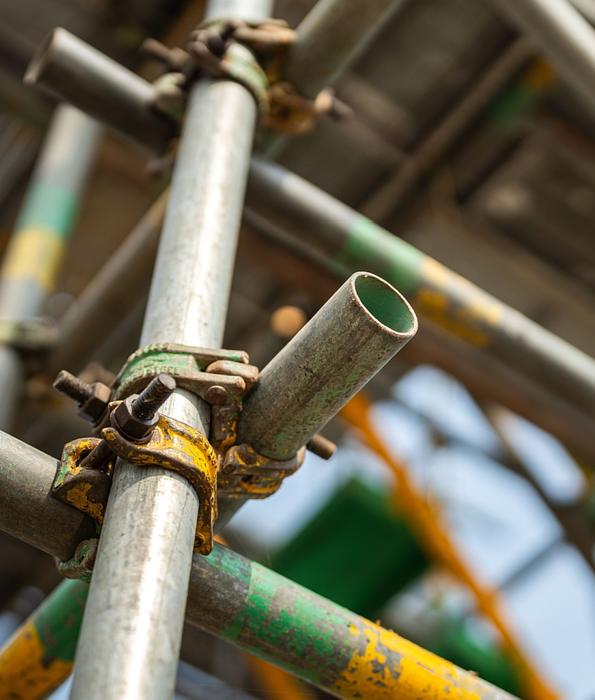
  Galvanised steel tube resists corrosion and stands up to site life. Reliable scaffold fittings ensure secure connections. And properly graded scaffold boards reduce excessive bounce and deflection. Not to mention that stable base jacks keep everything level from the ground up.

  When every component matches recognised standard scaffolding sizes, builds are smoother and safer. Because in scaffolding, consistency is everything.

  At The Metal Store, we keep things straightforward. Standard sizes. Cut if needed. Delivered when you want them.

  No faff. No hidden surprises. Just solid materials that do the job. Browse our full range of scaffolding supplies today and get your next build sorted.
Related articles

If you’re not sure what you need,
then we’re just a call away
01274 875479