

Scaffolding Risk Assessment: Step-By-Step Guide

5 minutes read

7 Apr 2026

Working at height comes with risks. And scaffolding is no exception. While scaffolds make jobs easier and safer, they can quickly become dangerous if the risks aren’t properly assessed.

That’s where a scaffolding risk assessment comes in. It’s a simple but essential process used to identify hazards, evaluate the risks they pose and put control measures in place before work begins.

In the UK, carrying out a risk assessment is a legal requirement under health and safety legislation, especially when working at height. This sits alongside recognised guidance such as TG20 and SG4, which support safe scaffold design, erection and use.

Done properly, it helps prevent accidents, keeps workers safe and ensures your project stays compliant.

In this guide, we’ll walk you through how to carry out a scaffolding risk assessment step by step, covering the key hazards to look for and the control measures that help keep sites safe.

Article in Brief

A scaffolding risk assessment identifies hazards and ensures safe working conditions when using scaffolding.

Risk assessments should be carried out before scaffolding is erected and reviewed throughout the project.

Key risks include falls from height, falling materials, unstable ground and overloaded platforms.

Control measures such as guardrails, secure foundations and regular inspections help reduce risks.

A

What is a scaffolding risk assessment?

In simple terms, a scaffolding risk assessment is used to identify potential dangers associated with a scaffold structure and the work being carried out on it.

The goal is simple: spot hazards before they cause problems.

A proper risk assessment looks at things like:

  • The location of the scaffold
  • Ground conditions
  • The height and structure of the scaffold
  • Materials and equipment used on the platform
  • Weather conditions
  • Access and safety measures

It also identifies what steps need to be taken to control those risks. On larger projects, this process is often documented as part of a RAMS (Risk Assessment and Method Statement).

Risk assessments are particularly important when scaffolding is used for construction, maintenance, roofing, demolition or repair work.

B

Why scaffolding risk assessments matter

Scaffolding accidents can lead to serious injuries or worse. Falls from height remain one of the biggest causes of workplace accidents in construction.

Without proper risk assessments, sites are more likely to encounter issues such as:

  • Scaffold collapses
  • Workers falling from platforms
  • Tools or materials falling from height
  • Overloaded structures
  • Unstable foundations

Carrying out a scaffolding risk assessment helps ensure the structure is safe before anyone climbs onto it.

It also helps site managers comply with the Work at Height Regulations, which require proper planning and risk control when working above ground level.

1

Identify the hazards

The first step in a scaffolding risk assessment is identifying anything that could cause harm.

This includes hazards related to the scaffold itself as well as the environment around it.

Common scaffolding hazards include:

  • Falls from height
  • Falling tools or materials
  • Unstable ground conditions
  • Loose scaffold components
  • Poor access routes
  • Overloaded platforms
  • Electrical hazards near power lines

You should also think about environmental risks like strong winds or slippery surfaces caused by rain.

The goal is to create a full picture of everything that could potentially go wrong.

2

Identify who could be at risk

Once hazards have been identified, the next step is to determine who could be affected.

People at risk may include:

  • Scaffolders erecting or dismantling the structure
  • Construction workers using the scaffold
  • Site managers and supervisors
  • Members of the public near the site
  • Workers operating below the scaffold

It’s important to factor in everyone who could interact with the structure, not just those working directly on it.

For example, falling tools can pose a risk to workers below. Unsecured scaffolding near public areas could endanger pedestrians.

3

Evaluate the level of risk

After identifying hazards and who could be affected, you need to assess how serious those risks are.

This involves considering:

  • How likely the hazard is to occur
  • How severe the consequences would be

For example, a missing guardrail on a high scaffold platform would be considered a high-risk hazard, as it could easily lead to a fall.

Lower-risk hazards might include minor trip hazards or temporary obstructions.

Prioritising risks helps determine which issues need to be addressed immediately.

4

Put control measures in place

Once risks have been identified, the next step is to implement measures to reduce or eliminate them.

Common scaffolding safety controls include:

  • Installing guardrails and toe boards
  • Using properly secured scaffold boards
  • Ensuring stable ground and base plates
  • Securing scaffolding to the building with ties
  • Limiting platform loads
  • Installing debris netting

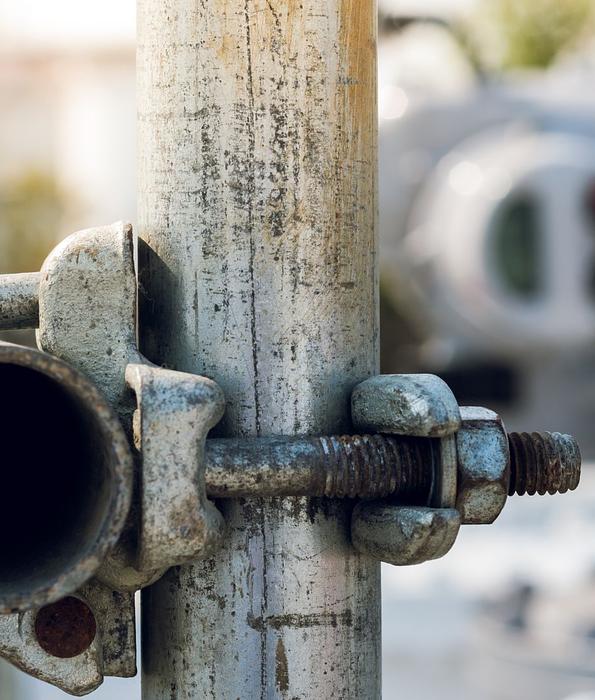
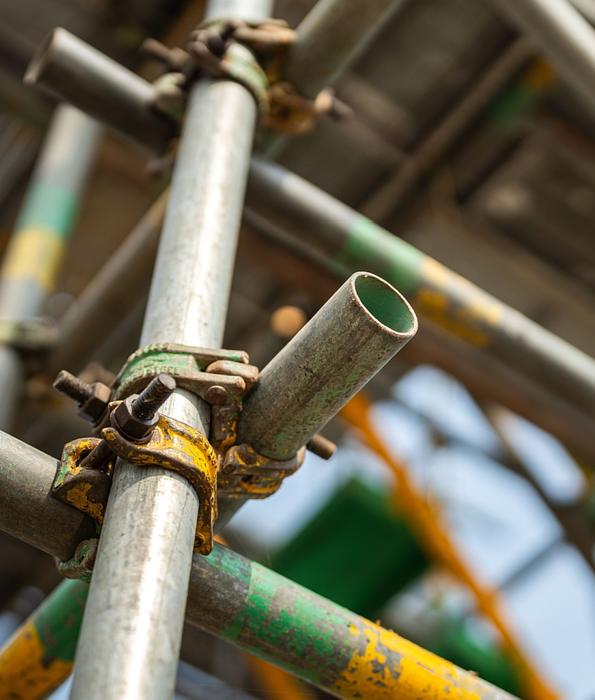
High-quality materials also play a major role in scaffold safety. Durable scaffolding tube and reliable scaffold fittings help ensure the structure remains stable throughout the project.

Access points should also be safe and secure, with ladders properly fixed and positioned.

5

Record the findings

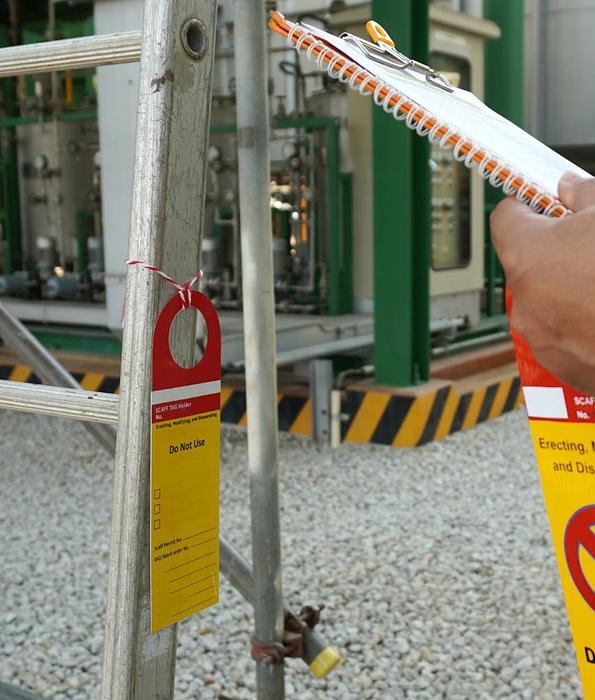
Once the risk assessment is complete, the findings should be documented.

Recording the results ensures that:

  • Safety measures are clearly communicated
  • Workers understand the risks involved
  • Site managers can review the assessment later

Here’s what risk assessment records typically include:

  • Identified hazards
  • Who may be at risk
  • Control measures put in place
  • The person responsible for the assessment
  • The date the assessment was carried out

Keeping these records on-site helps ensure compliance with health and safety regulations.

6

Review the risk assessment regularly

A scaffolding risk assessment isn’t a one-time task.

Construction sites change constantly, and new risks can appear as work progresses.

Risk assessments should be reviewed when:

  • Scaffolding is altered or extended
  • The work being carried out changes
  • Severe weather occurs
  • New hazards are identified

Regular reviews help ensure that control measures remain effective and that the scaffold continues to operate safely.

C

Common scaffolding risks to watch out for

Some hazards appear again and again on construction sites. Being aware of these common risks can help prevent accidents:

  • Missing guardrails or toe boards
  • Loose couplers and fittings
  • Damaged scaffold boards
  • Overloaded platforms
  • Unstable ground conditions
  • Inadequate access points

Regular inspections and maintenance help catch these issues before they become serious safety problems.

Get the scaffolding supplies you need from The Metal Store

  Safe scaffolding starts with reliable equipment. At The Metal Store, we supply a wide range of scaffolding supplies designed to keep your projects running smoothly.

  From scaffold fittings to scaffold boards, everything can be delivered straight to your site. Not to mention scaffolding tubes with unlimited free cutting.

  Need scaffolding for your next job? You’ll get it here without any faff.
Related articles

If you’re not sure what you need,
then we’re just a call away
01274 875479