

Shoring And Scaffolding Explained: When Do You Use Each?

4 minutes read

21 Apr 2026

Construction sites rely on temporary structures to keep work moving safely. Two of the most common systems used are shoring and scaffolding. You might see these mentioned together a fair bit, but they actually serve very different purposes.

Scaffolding provides a safe working platform for people, while shoring provides structural support to buildings or excavations. Both play an important role on construction sites. But to keep projects safe and efficient, it’s important to understand when each system should be used.

In this guide, we’ll break down what shoring and scaffolding are, how they differ and when each system should be used.

Article in Brief

Shoring and scaffolding serve different purposes on construction sites.

Scaffolding provides safe working platforms for workers at height.

Shoring provides temporary structural support to prevent collapse during construction, excavation or repairs.

Choosing the right system depends on the task, structural stability and safety requirements of the project.

1

What is scaffolding?

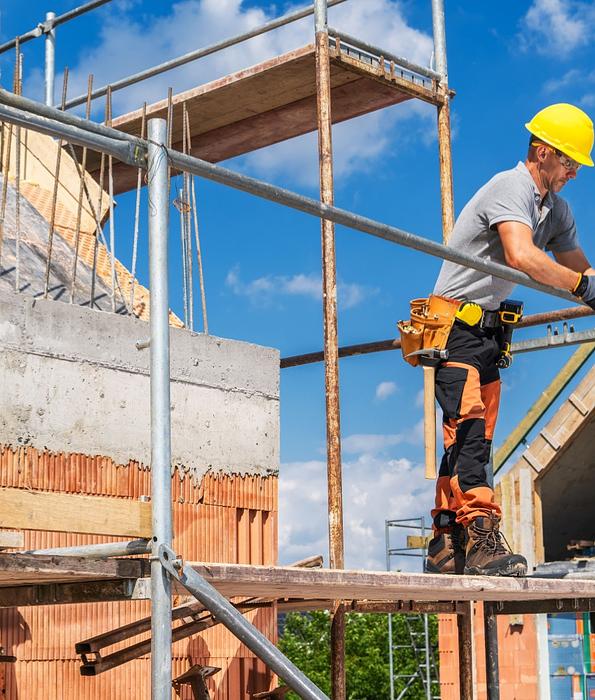
Just to be clear, scaffolding refers to a temporary structure that’s used to provide workers with safe access and working platforms at height.

It’s commonly used for construction, repairs, painting, roofing and maintenance work. Scaffolding allows workers to safely reach areas that would otherwise be difficult or dangerous to access.

A typical scaffold structure includes:

  • Vertical tubes (standards)
  • Horizontal tubes (ledgers)
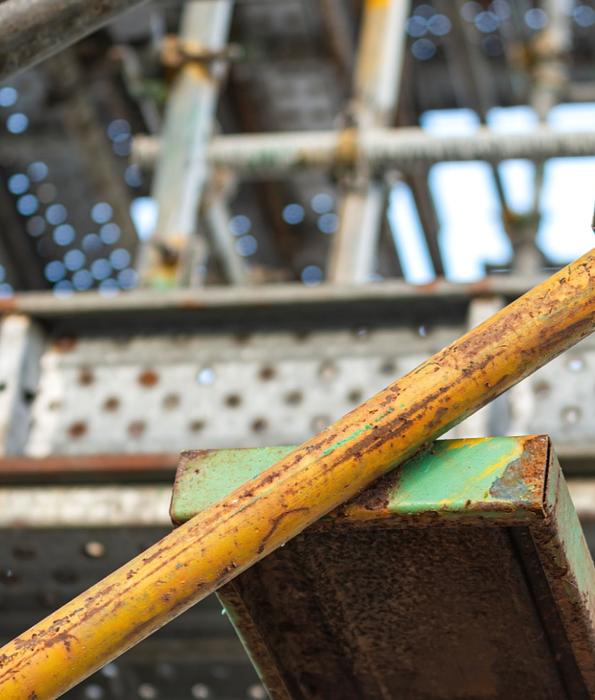
  • Platforms made from scaffold boards
  • Guardrails and toe boards for safety

These components work together to create a stable structure that workers can stand on while carrying out their tasks.

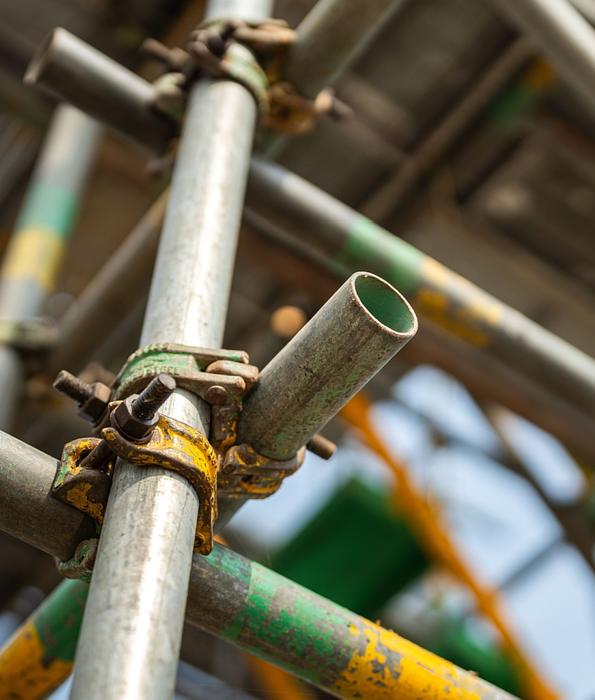
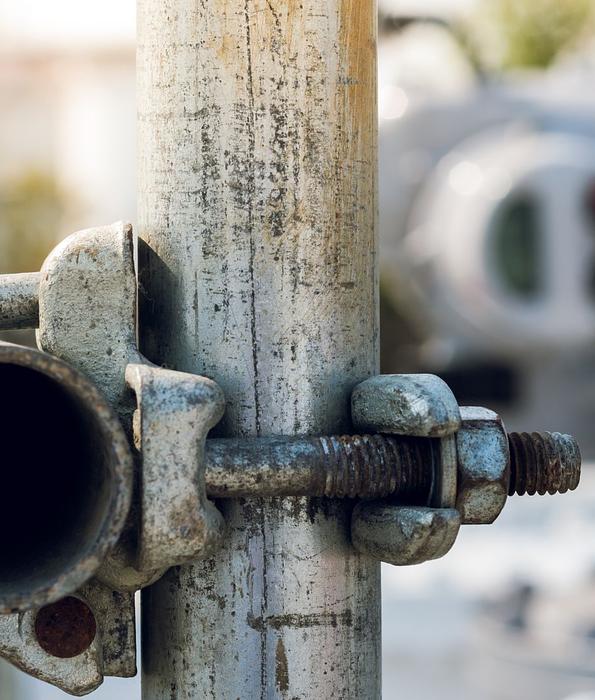
Scaffolding is usually constructed from steel tubes connected with fittings. Durable scaffolding tube and reliable scaffold fittings are essential for building strong and stable structures.

2

And when is scaffolding used?

Scaffolding is used whenever workers need safe access to elevated areas.

Common examples include:

  • Bricklaying and masonry work
  • Roofing projects
  • Exterior building repairs
  • Window installation
  • Painting and maintenance
  • High-level construction work

Because scaffolding provides both access and a working platform, it allows workers to carry tools and materials safely while completing tasks at height.

It’s also designed to support weight, meaning workers can store equipment or materials on the platform within the scaffold’s load limits.

3

So, what is shoring?

While scaffolding is designed for access, shoring is used for structural support.

Shoring involves installing temporary supports to prevent a structure or excavation from collapsing during construction or repair work.

These supports help stabilise walls, foundations, trenches or other structural elements that could become unstable during a project.

Common shoring equipment includes adjustable acrow props, push pull acrow props, trench struts and other temporary support systems designed to carry structural loads safely during work.

Shoring systems are often used when:

  • Buildings are being repaired or renovated
  • Excavation work weakens surrounding ground
  • Structural walls need reinforcement
  • Demolition work affects nearby structures

In short, shoring holds things up while work is being carried out.

4

Types of shoring used in construction

There are a few different types of shoring systems used on construction sites.

Raking shoring

Raking shoring uses angled supports placed against a wall to keep it stable.

This system is commonly used when a building wall becomes unstable during repairs or structural alterations.

Flying shoring

Flying shoring supports two parallel walls when the structure between them is removed.

This is often used during demolition or renovation projects where internal structures are removed but external walls must remain standing.

Dead shoring

Dead shoring often uses vertical supports to carry loads while structural elements are repaired or replaced.

It’s commonly used when walls or foundations need reinforcement.

5

Key differences between shoring and scaffolding

Although both systems appear on construction sites, their roles are very different.

Scaffolding:

  • Provides working platforms
  • Allows safe access to elevated areas
  • Supports workers and materials
  • Built around the structure being worked on

Shoring:

  • Supports unstable structures
  • Prevents collapse during construction
  • Reinforces walls or excavations
  • Focuses on structural stability rather than worker access

It’s not uncommon for both systems to be used together on the same project.

For example, scaffolding might allow workers to access a damaged wall, while shoring supports that wall to prevent collapse during repairs.

6

Safety considerations for shoring and scaffolding

Both shoring and scaffolding involve temporary structures, which means safety is critical. For scaffolding, this includes following recognised guidance such as TG20. For shoring, temporary works should be properly designed and installed to ensure structural stability.

Proper planning, installation and inspection are essential to prevent accidents.

Key safety considerations include:

  • Ensuring stable ground conditions
  • Using high-quality materials
  • Following load limits
  • Installing guardrails and safety features
  • Carrying out regular inspections

Workers should also be trained in safe working practices when operating around these structures.

Regular scaffold inspections help identify loose fittings, damaged boards or other issues that could compromise safety.

7

When projects use both shoring and scaffolding

Many construction projects require both systems working together.

For example:

  • A building façade being repaired may require scaffolding for access and shoring to support weakened walls.
  • Excavation work may require shoring to stabilise the ground and scaffolding to allow workers to operate safely above the trench.
  • Renovation projects may require internal shoring while external scaffolding provides safe access for workers.

Understanding the difference between the two helps site managers choose the right system for each stage of a project.

Get the right materials for safe scaffolding

  Whether you’re erecting scaffolding for a quick repair job or a large construction project, using reliable materials is non-negotiable. Strong tubes, secure fittings and solid boards all play a part in creating a safe working platform.

  At The Metal Store, we make it easy to source the components you need. Our range of scaffolding supplies includes scaffold fittings, scaffold boards and scaffold tubes that’s cut to size for free.

  Because when you’re running a job, the last thing you want is delays or complicated ordering. Just order your materials online and let us take care of the rest with fast delivery across the UK.

Related articles

If you’re not sure what you need,
then we’re just a call away
01274 875479